
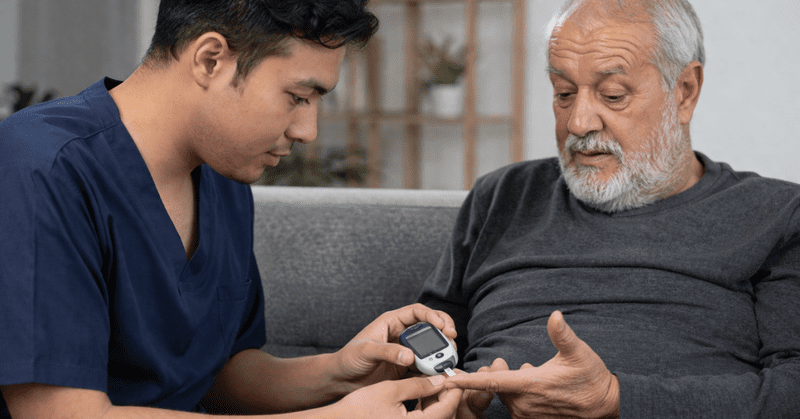
If you’re caring for an aging parent with diabetes, you already know how much love and effort goes into keeping them safe every single day. But even the most devoted family member can’t always be there around the clock. One of the biggest health risks that often goes unnoticed at home is hypoglycemia, or low blood sugar. It can sneak up without warning, and for older adults, the consequences can be far more serious than most families expect.
You’re not alone in feeling stretched thin. That’s exactly why having a trained professional caregiver or nurse by your parent’s side can make all the difference.
What is hypoglycemia, exactly?
Hypoglycemia happens when blood sugar drops too low. It comes in three stages, and knowing each one matters because every minute counts when a senior is at risk.
Mild: Below 70 mg/dL. Shakiness, dizziness, or sudden tiredness. Easy to miss if no one is watching closely.
Moderate: Below 54 mg/dL. Confusion, irritability, or difficulty concentrating. A trained caregiver can spot these subtle changes before they escalate.
Severe: Any reading. Disorientation or collapse. Needs immediate professional response. Can be life-threatening if help is not close by.
This is why having someone with the right training present at home is not a luxury. It is a necessity.
Why older adults are more vulnerable
Seniors face unique challenges that make managing diabetes at home more complicated than it may seem. A professional caregiver understands these risks and is equipped to handle them every day.
Memory challenges: A parent with dementia may forget meals or accidentally take the wrong dose of medication. A professional caregiver follows a structured routine to make sure nothing is ever missed.
Physical limitations: Shaky hands or poor eyesight can make measuring insulin difficult and dangerous. Trained caregivers handle this with precision and care, reducing the risk of errors.
Appetite changes: Older adults often eat less or skip meals without realizing the impact on their blood sugar. A caregiver ensures meals happen on time, every time.
Multiple medications: Managing several medications at once is complex. A professional nurse or caregiver knows how to monitor for interactions and flag concerns to the doctor before they become problems.
Why a professional caregiver is the difference between worry and peace of mind
Family members do their best, and that love is irreplaceable. But professional caregivers bring something that is hard to replicate without training: the ability to notice what others miss, respond quickly when something changes, and provide consistent care every single day.
Here is what a professional caregiver or home nurse can do for your parent:
-
Monitor blood sugar with confidence. Professional caregivers check glucose levels regularly, understand what the numbers mean, and know exactly when to act. They keep detailed logs and communicate changes to the medical team promptly.
-
Manage meals and nutrition properly. A trained caregiver plans and prepares balanced meals on a consistent schedule, making sure your parent is eating the right foods at the right times to keep blood sugar stable.
-
Administer medications safely. From insulin injections to oral medications, professional caregivers and nurses are trained to administer medication correctly, track dosages, and avoid dangerous errors.
-
Respond to emergencies immediately. If a severe hypoglycemic episode occurs, every second matters. A trained professional knows how to use an emergency glucagon kit, when to call for help, and how to keep your parents stable until medical support arrives.
-
Prevent falls and keep the home safe. Professional caregivers assess the home environment, assist with movement, and are always present to prevent the kind of falls that low blood sugar can cause.
-
Communicate with doctors on your behalf. A good home nurse acts as a bridge between your parents and their medical team, reporting changes, asking the right questions, and helping adjust care plans as needed.
Protecting against falls and long-term complications
Repeated episodes of low blood sugar don’t just cause short-term distress. Over time, they have been linked to a higher risk of cognitive decline and dementia. A professional caregiver helps break that cycle by catching problems early and maintaining the consistent routines that keep blood sugar stable day after day.
Simple things like keeping the home well-lit, installing grab bars, ensuring easy access to healthy snacks, and encouraging regular hydration all become part of a professional caregiver’s daily rhythm, not an afterthought.
What peace of mind actually looks like
When a trained caregiver or nurse is looking after your parents, you stop spending your days worrying about whether they remembered to eat, whether they took the right medication, or whether they are safe at home alone. You get to simply be their son or daughter again.
Professional Senior care means:
-
Your parent’s blood sugar is monitored consistently, not just when someone happens to be around
-
Meals and medications happen on schedule, every day
-
Warning signs are caught early by someone who knows what to look for
-
Your parent has a calm, familiar presence that reduces stress and supports their overall wellbeing
-
You have someone to call when you have questions or concerns
Key things to remember
-
Hypoglycemia is a serious and often silent risk for older adults with diabetes
-
Family care alone may not be enough to manage the complexity of senior diabetes safely
-
A professional caregiver or home nurse provides the consistent, trained attention your parent needs
-
Early intervention by a professional can prevent falls, hospitalizations, and long-term complications
-
Peace of mind for your family starts with the right care at home
Caring for an aging parent at home is one of the most meaningful things a family can do. But you don’t have to do it alone, and you shouldn’t have to carry that worry every day. A professional caregiver brings the training, consistency, and compassion that your parents deserve. Because keeping them safe is not just about managing a condition. It is about giving them the quality of life, dignity, and security they have earned.
Author
-

Sony Thapa is a DHA-licensed registered nurse in Dubai, currently serving as a dedicated home care nurse with JPR Home Health Care. She specializes in elderly care, offering compassionate, respectful, and patient-centered nursing support to seniors in the comfort of their homes.
Originally from Nepal, Sony completed her Diploma in Nursing in Kathmandu in 2016. With nearly a decade of hands-on experience and a strong grounding in geriatric care, she joined JPR Home Health Care in March 2025 and quickly became a trusted presence among families seeking dependable care for aging loved ones.
Sony’s expertise includes assisting with daily living activities, chronic disease monitoring, post-hospital rehabilitation, medication management, and fall prevention. Her calm demeanor and gentle communication style make her especially effective with seniors who may be coping with dementia, mobility challenges, or emotional vulnerability.
She follows strict DHA guidelines while bringing a deeply human touch to every patient interaction, always ensuring safety, hygiene, and dignity come first. For families navigating the complexities of elderly care at home, Sony provides both peace of mind and professional excellence.
DHA License
License Number: 98504622-001
DHA Profile: https://services.dha.gov.ae/sheryan/wps/portal/home/medical-directory/professional-details?dhaUniqueId=98504622
