


© 2026 All rights reserved |

From AED 99+*| 24/7 | Home/Hotel/Office | Results in 24 – 48 Hours
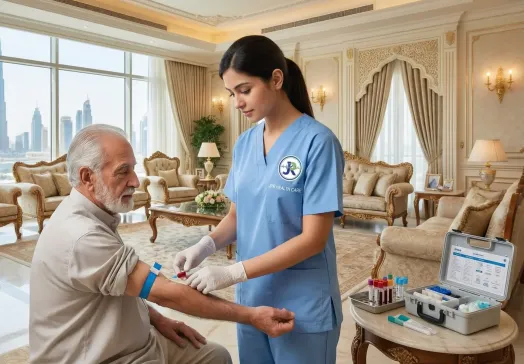
Get accurate and reliable blood tests at home in Dubai without the hassle of visiting a clinic or waiting in a laboratory. Our convenient home sample collection service makes it easier to manage your healthcare from the comfort of your own home.
With our professional blood check at home service, a certified DHA healthcare professional visits your preferred location to collect your samples safely and hygienically. Whether you need a routine health check, a specific diagnostic test, or regular monitoring, our lab test home collection service is designed to make the process simple and stress-free.
Our blood test home service eliminates unnecessary travel and waiting-room visits while giving you a comfortable and convenient way to complete your diagnostic testing. From routine testing to specific health screenings, you can arrange a reliable lab test at home in Dubai with professional sample collection at a time that works for you.
No long queues. No unnecessary travel. Just convenient healthcare at your doorstep.
FULL RANGE OF DIAGNOSTICS TESTS
Our home collection service covers routine blood tests, advanced diagnostic panels, hormone profiles, infection screening, and organ health assessments. Each test category below explains what is measured and why it matters clinically.
Routine blood tests form the foundation of preventive health monitoring. These are the tests most commonly ordered by GPs for annual checkup, and ongoing chronic disease management all available from your home without a clinic visit.
Complete Blood Count (CBC): The CBC is one of the most informative single blood tests available, measuring red blood cells, white blood cells, platelets, haemoglobin, and haematocrit in a single sample. It screens simultaneously for anaemia (which can explain persistent fatigue, breathlessness, and dizziness), infection or immune activation (elevated white cell count), leukaemia markers, and bleeding or clotting disorders. In Dubai, where iron-deficiency anaemia and thalassaemia trait are relatively common, a routine CBC provides clinically meaningful data even in apparently healthy adults. Our nurses collect the sample using a single blood draw; the same tube is used for multiple test parameters.
Fasting Blood Sugar & Glucose Testing: A fasting blood glucose test requires the patient to have eaten nothing for 8–12 hours before the sample is collected, making home testing particularly convenient, as the nurse can arrive first thing in the morning before breakfast. Fasting glucose values above 7.0 mmol/L on two occasions are diagnostic of diabetes; values between 5.6 and 6.9 mmol/L indicate pre-diabetes, a critical intervention window when lifestyle modification can prevent progression. For patients already diagnosed with diabetes, regular fasting glucose monitoring tracks treatment effectiveness and guides medication adjustments.
HbA1c (Glycated Haemoglobin): Unlike a fasting glucose test, HbA1c does not require fasting and reflects the average blood sugar level over the preceding 2–3 months, making it the gold-standard test for long-term diabetes monitoring. An HbA1c of 6.5% or above confirms diabetes; between 5.7% and 6.4% indicates pre-diabetes. For diagnosed diabetic patients, most clinical guidelines recommend HbA1c testing every 3–6 months. Home collection is particularly valuable here because fasting is not required; the nurse can arrive at any time of day.
Lipid Profile (Total Cholesterol, LDL, HDL, Triglycerides): A full lipid profile measures four distinct fat values in the blood: total cholesterol, LDL (“bad” cholesterol that deposits in arterial walls), HDL (“good” cholesterol that removes arterial deposits), and triglycerides. In the UAE, where cardiovascular disease is the leading cause of death and dietary patterns often include high saturated fat intake, lipid screening is a frontline preventive tool. Elevated LDL and triglycerides with low HDL is the most dangerous combination, significantly increasing the risk of heart attack and stroke. The lipid profile requires fasting for 9–12 hours; home morning collection is ideal.
Thyroid Screening (TSH): Thyroid Stimulating Hormone (TSH) is the single most sensitive test for detecting thyroid dysfunction. An underactive thyroid (hypothyroidism) raises TSH, while an overactive thyroid (hyperthyroidism) suppresses it. In the UAE population, hypothyroidism is substantially more common than many patients realise, and its symptoms (fatigue, weight gain, cold intolerance, brain fog, constipation, dry skin, and hair thinning) are frequently attributed to lifestyle factors or stress for months before a diagnosis is made. If TSH is abnormal, the full thyroid profile (T3 and T4) provides additional detail on severity and type.
Uric Acid Test: Elevated uric acid in the blood (hyperuricaemia) is the underlying cause of gout, a painful inflammatory arthritis most commonly affecting the big toe, ankle, and knee. Uric acid also predicts kidney stone formation and is associated with increased cardiovascular risk. In Dubai, where diets are often high in red meat, shellfish, and fructose-containing beverages, all of which raise uric acid, this test is clinically relevant for a broad population. Home testing removes the barrier of a clinic visit, making it straightforward to monitor uric acid regularly in patients with a history of gout attacks or kidney stones.
Micronutrient deficiencies are among the most prevalent yet underdiagnosed health issues in the UAE, driven by limited sun exposure, dietary patterns, and the physiological demands of a hot climate. These tests identify deficiencies before they progress to symptomatic disease.
Vitamin D Test (25-Hydroxyvitamin D): Vitamin D deficiency is extraordinarily prevalent in the UAE; studies estimate that 60–80% of the UAE population has insufficient or deficient levels, despite living in one of the sunniest regions on earth. The paradox is explained by indoor lifestyles, full-body clothing, and high-factor sun protection use. Vitamin D is critical for bone mineralisation, immune regulation, muscle function, and mood stability. Severe deficiency causes osteomalacia in adults and rickets in children. Deficiency is also associated with increased susceptibility to respiratory infections and has been linked to depression, fatigue, and chronic musculoskeletal pain. A 25-OH Vitamin D blood test is the only reliable way to assess status; skin tone, sun exposure history, and dietary habits are poor predictors.
Vitamin B12 Test: Vitamin B12 deficiency is common in vegetarians and vegans (B12 is found almost exclusively in animal products), individuals over 50 (gastric acid production declines with age, reducing B12 absorption), and patients taking metformin for diabetes or proton pump inhibitors for acid reflux, both of which deplete B12 over time. Deficiency causes megaloblastic anaemia, peripheral neuropathy (numbness, tingling, and burning in the hands and feet), and neurological damage that can become irreversible if deficiency is prolonged. Neurological symptoms from B12 deficiency are frequently misattributed to diabetes or anxiety; a blood test is the definitive diagnostic step.
Folic Acid (Folate) Test: Folate is essential for DNA synthesis and red blood cell production. Deficiency causes megaloblastic anaemia indistinguishable from B12 deficiency on a blood count alone, which is why B12 and folate are typically tested together. In women of childbearing age, folate deficiency during early pregnancy is the primary modifiable cause of neural tube defects (spina bifida). Alcohol, anticonvulsant medications, and poor dietary intake deplete folate. The blood test differentiates true folate deficiency from B12 deficiency, allowing targeted supplementation rather than a blanket approach that could mask a coexisting B12 deficiency.
Ferritin & Iron Profile: Ferritin is the body’s iron storage protein; it is the most sensitive early indicator of iron depletion, falling before haemoglobin drops and before anaemia appears on a blood count. A patient can have entirely normal haemoglobin yet significantly depleted ferritin stores, presenting with debilitating fatigue, hair loss, and reduced exercise tolerance. This is an extremely common scenario in menstruating women and in vegetarians. A full iron profile adds serum iron, transferrin, and TIBC (total iron binding capacity) to provide a complete picture of iron metabolism and distinguish iron deficiency from the anaemia of chronic disease.
Electrolytes (Sodium, Potassium, Chloride): Electrolyte balance is fundamental to cardiac rhythm, nerve conduction, and fluid regulation. Electrolyte disturbances are particularly common in patients taking diuretics, ACE inhibitors, or laxatives; in patients with kidney or liver disease; and in individuals experiencing significant fluid losses from vomiting, diarrhoea, or excessive sweating, a relevant risk in Dubai’s climate. Low potassium (hypokalaemia) causes muscle cramps, weakness, and cardiac arrhythmia. Low sodium (hyponatraemia) causes confusion and seizures. Home testing allows regular electrolyte monitoring for high-risk patients without repeated clinic visits.
Hormonal imbalances underlie a wide range of symptoms that are frequently misattributed to stress or lifestyle, from fatigue and weight changes to fertility difficulties and mood disorders. Accurate hormone testing provides the diagnostic clarity needed for targeted treatment.
Full Thyroid Profile (TSH, Free T3, Free T4): Where TSH alone screens for thyroid dysfunction, the full thyroid profile adds Free T3 and Free T4 to quantify the degree of imbalance and distinguish primary thyroid disease from pituitary dysfunction. T4 is the main hormone produced by the thyroid; T3 is the active form. Some patients with normal TSH and T4 have low Free T3, a pattern that explains persistent hypothyroid symptoms despite apparently normal thyroid function on a basic screen. Home collection is straightforward as no special timing or fasting is required for thyroid tests.
Testosterone (Total & Free): Testosterone is the primary male sex hormone but is also clinically relevant in women at lower concentrations. In men, low testosterone (hypogonadism) causes fatigue, reduced libido, loss of muscle mass, depression, and reduced bone density. Testosterone levels peak in the early morning; for accurate results, the blood sample should ideally be collected between 7:00 and 9:00 AM, making home morning collection by our nurses the most convenient approach. Free testosterone measures the biologically active fraction that is not bound to proteins, providing a more accurate picture of hormonal availability than total testosterone alone.
FSH, LH & Estradiol (Female Fertility Hormones): FSH and LH are pituitary hormones that regulate the menstrual cycle and ovarian function. In women, elevated FSH is the primary marker of reduced ovarian reserve and approaching menopause. When combined with LH and estradiol (the dominant estrogen in pre-menopausal women), these three tests provide a comprehensive picture of menstrual cycle phase, ovarian function, and menopausal status. Timing is critical; most female hormone panels should be collected on day 2 or 3 of the menstrual cycle for the most diagnostically useful results. Our nurses are briefed on timing requirements at the time of booking.
Cortisol (Stress Hormone): Cortisol is produced by the adrenal glands in response to stress and follows a diurnal pattern, highest in the early morning, lowest at night. A morning cortisol blood test is used to screen for adrenal insufficiency (Addison’s disease) and Cushing’s syndrome. Chronically elevated cortisol from persistent psychological stress is associated with weight gain, immune suppression, insomnia, and anxiety, though blood cortisol alone does not fully capture chronic stress physiology. The sample must be collected in the early morning (before 9:00 AM) for meaningful interpretation; home collection by our nurses allows precise timing without the stress elevation that a clinic visit itself can trigger.
AMH (Anti-Müllerian Hormone Ovarian Reserve): AMH is the most reliable single marker of ovarian reserve, the number of remaining eggs available for fertilisation. Unlike FSH, AMH can be tested on any day of the menstrual cycle, as levels remain relatively stable throughout. It is used in fertility assessment, in evaluating the likely response to IVF ovarian stimulation, and in monitoring the impact of chemotherapy or surgery on ovarian function. Low AMH does not preclude natural conception, but it does provide important information for fertility planning decisions. No fasting is required; home morning collection is straightforward.
Organ function tests detect early damage before symptoms appear - enabling treatment before irreversible harm occurs. Regular kidney, liver, and metabolic monitoring is particularly important for patients on long-term medications, those with chronic disease, and anyone over 40 with cardiovascular risk factors.
Kidney Function Test (KFT / Renal Function Panel): The kidney function test measures urea, creatinine, uric acid, and electrolytes the waste products that healthy kidneys filter from the blood. Elevated creatinine and reduced eGFR (estimated Glomerular Filtration Rate) indicate declining kidney function. Chronic kidney disease (CKD) affects approximately 20% of adults with diabetes and 30% of those with long-standing hypertension, the two most prevalent conditions in the UAE. CKD is largely asymptomatic in its early stages; by the time fatigue, swelling, and reduced urine output appear, significant kidney damage has already occurred. Regular monitoring allows early intervention, medication adjustment, dietary changes, and blood pressure control that can substantially slow progression.
Liver Function Test (LFT / Liver Profile): The liver function panel measures liver enzymes (ALT, AST, GGT, ALP), bilirubin, and proteins (albumin and total protein), providing a comprehensive picture of liver cell health, bile duct function, and synthetic capacity. Non-Alcoholic Fatty Liver Disease (NAFLD) is now the most common chronic liver condition globally, and the UAE prevalence is elevated due to high rates of obesity and type 2 diabetes, two primary drivers of fatty liver. NAFLD is entirely asymptomatic in its early stages; elevated ALT on a routine liver function test is often the first detectable sign. Patients on statins, methotrexate, or regular paracetamol use require periodic LFT monitoring for medication-related liver effects.
Urine Analysis (Urinalysis): A full urinalysis examines the physical properties, chemical composition, and microscopic contents of a urine sample, detecting glucose (suggesting diabetes), protein (suggesting kidney disease or infection), blood (suggesting kidney stones, infection, or malignancy), white blood cells (confirming urinary tract infection), and nitrites (bacterial markers). A urine sample can be collected at home at the time of the nurse’s visit without any special preparation. Urinalysis is often ordered alongside blood tests in a full health screen; the combined results provide substantially more diagnostic information than either test alone.
Urine Microalbumin: Microalbuminuria, the presence of small but abnormal amounts of albumin protein in the urine, is the earliest detectable marker of diabetic kidney disease, appearing years before creatinine rises or eGFR falls. Annual microalbumin testing is the international standard of care for all patients with type 1 and type 2 diabetes. A positive result at this early stage triggers interventions: stricter blood pressure control, RAAS-blocking medications, and glucose target tightening that can prevent progression to renal failure. The test requires only a urine sample collected at the time of the nurse’s home visit.
Infectious disease screening is a clinical and public health necessity; many serious infections, including hepatitis and HIV, are entirely asymptomatic for years while causing progressive organ damage. Home testing removes the stigma and access barriers that delay diagnosis.
Hepatitis B Screening & Immunity Check: Hepatitis B is a bloodborne virus that can cause chronic liver disease, cirrhosis, and hepatocellular carcinoma, yet it is asymptomatic in the majority of chronically infected individuals. The UAE has a mandatory HBV vaccination programme, but a significant proportion of adults from countries with higher endemic prevalence may be living with undiagnosed chronic infection. The hepatitis B screen tests for three distinct markers: HBsAg (active infection), Anti-HBs (vaccine immunity), and Anti-HBc (past exposure). This combination distinguishes active infection requiring treatment, natural immunity from prior exposure, vaccine-induced immunity, and susceptibility, providing clinically actionable results that a single HBsAg test alone cannot offer.
Hepatitis C (HCV) Screening: Hepatitis C is transmitted primarily through blood-to-blood contact, historically through blood transfusions and shared needles, but also through unsterilised tattooing equipment and, in healthcare settings, inadequate instrument sterilisation. It causes chronic liver inflammation that is entirely silent for decades before progressing to cirrhosis or liver cancer. Effective oral antiviral treatments now cure over 95% of HCV infections when detected, making early screening genuinely transformative. The WHO recommends one-time HCV screening for all adults born before 1992 who may have received blood products before widespread HCV testing was implemented.
HIV Testing (4th Generation Combo Test): Modern 4th generation HIV tests detect both the p24 antigen (viral protein) and HIV antibodies, reducing the window period to 18–45 days after exposure and providing reliable results far earlier than older antibody-only tests. HIV is now a medically manageable chronic condition with antiretroviral therapy; the barrier to long-term healthy outcomes is late diagnosis. Home testing for HIV removes the privacy concern and access friction that remain significant barriers to testing in UAE communities. Our nurses collect the blood sample with complete confidentiality; results are shared directly with the patient.
Sexual Health Screening (STI Panel): A comprehensive STI panel covers syphilis, herpes (HSV 1 and 2), and HIV. Many sexually transmitted infections are asymptomatic; chlamydia in particular is known as the “silent infection” and is the most common notifiable STI globally. Untreated chlamydia and gonorrhoea can cause pelvic inflammatory disease, tubal infertility, and ectopic pregnancy in women, and epididymitis and infertility in men. Home sample collection for an STI panel provides a private, clinically rigorous alternative to clinic-based sexual health testing, particularly relevant for individuals who prefer maximum confidentiality.
Advanced diagnostic panels provide deeper clinical insight beyond routine screening, covering food intolerances, cancer markers, prenatal testing, and cardiology-specific biomarkers that require specialist interpretation alongside clinical context.
Food Intolerance vs. Food Allergy Testing: These two tests measure fundamentally different immune responses and must not be confused. A food allergy panel measures IgE antibodies, the immediate hypersensitivity response responsible for classic allergy symptoms including urticaria, angioedema, and anaphylaxis. A food intolerance (IgG4) panel measures delayed immune responses to foods associated with chronic, non-specific symptoms including bloating, fatigue, headaches, skin rashes, and brain fog that appear hours to days after consumption and are therefore difficult to attribute to a specific food without testing. In Dubai’s diverse population, where food patterns span dozens of cultural traditions, these tests provide actionable dietary guidance for patients with persistent unexplained symptoms that have not resolved with standard GI investigation.
Tumour Markers (PSA, CA125, CEA, AFP): Tumour marker blood tests measure proteins produced by certain cancers or by the body in response to cancer, used in conjunction with clinical assessment and imaging, not as standalone screening tools. PSA (Prostate Specific Antigen) is the primary screening marker for prostate cancer in men over 40. CA125 is elevated in ovarian cancer and is used for monitoring treatment response in diagnosed patients. CEA (Carcinoembryonic Antigen) is associated with colorectal, lung, and breast cancers. AFP (Alpha-Fetoprotein) is used in hepatocellular carcinoma monitoring and maternal-fetal health assessment. These markers require careful clinical interpretation; ur medical team provides context and guidance alongside results.
hsCRP & Homocysteine (Advanced Cardiovascular Risk): Standard lipid profiles may underestimate cardiovascular risk in patients with normal cholesterol levels. High-sensitivity CRP (hsCRP) measures systemic inflammation, a key driver of atherosclerosis independent of cholesterol. Elevated hsCRP is a strong independent predictor of heart attack and stroke, particularly in individuals with intermediate traditional risk scores. Homocysteine is an amino acid that, at elevated levels, damages arterial walls and promotes blood clotting, associated with increased risk of cardiovascular events and deep vein thrombosis. Both markers are included in JPR’s Heart Health Package and are particularly relevant for patients with a family history of early cardiovascular disease or those with diabetes.
NIPT (Non-Invasive Prenatal Testing): Non-Invasive Prenatal Testing analyses cell-free foetal DNA circulating in the mother’s blood from as early as 10 weeks of pregnancy, screening for chromosomal conditions including Down syndrome (trisomy 21), Edwards syndrome (trisomy 18), and Patau syndrome (trisomy 13), as well as sex chromosome abnormalities. NIPT has a detection rate of over 99% for trisomy 21 with a very low false-positive rate, making it significantly more accurate than traditional first-trimester combined screening. Home blood collection for NIPT is particularly valuable for pregnant women who find repeated clinic visits challenging; our nurses collect the specialist cell-free DNA tube at home and ensure correct temperature-controlled transport to the laboratory.
AFFORDABLE HEALTH SCREENING PACKAGES
A 5% VAT will be charged in addition to the listed prices.
WHY CHOOSE HOME BLOOD TESTING
Home sample collection provides a convenient alternative to visiting a clinic, while samples are processed by the laboratory according to applicable testing procedures.
A DHA-licensed nurse comes to your exact location, across Dubai home, office, or hotel at a time you choose. You get clinical-grade testing without the disruption of a clinic or hospital visit.
Every sample is collected by a DHA-licensed registered nurse or phlebotomist following strict clinical protocols. The same professional standard you would expect in a hospital is delivered in your living room.
Samples are transported to an accredited laboratory for analysis.Home collection does not compromise result quality.
Most test results are delivered digitally within 24 to 48 hours of sample collection. Urgent panels can often be expedited; ask our team at the time of booking for time-sensitive requirements.
Home testing is especially helpful for elderly patients, children, chronically ill individuals requiring regular monitoring, and busy professionals who prefer the convenience of testing at home.
Blood, urine, and other diagnostic samples can all be collected in a single home visit, covering a full-body health check in one appointment rather than multiple separate clinic trips.
IS HOME BLOOD TESTING RIGHT FOR YOU?
Home sample collection is not just a convenience for many patients; removing the clinic visit barrier is the reason they get tested at all. Regular diagnostic monitoring is the foundation of preventive health.
For elderly individuals or those with limited mobility, travelling to a clinic for routine blood tests is a significant physical and logistical challenge. Home collection removes this barrier entirely; the nurse comes to them at any time of day.
Patients with diabetes, thyroid disorders, kidney disease, or cardiovascular conditions require regular blood test monitoring, sometimes monthly. Home testing makes this consistent monitoring practical rather than a recurring disruption to the working day.
Frequent blood tests are a normal part of antenatal care: CBC, blood group, iron, glucose screening, thyroid, and more. Home collection eliminates repeated clinic visits during pregnancy and is particularly valuable during the first trimester, when fatigue and nausea make travel difficult.
Annual health screening is consistently postponed by professionals who cannot take time off for clinic visits. Home or office blood collection is available from early morning and makes routine health monitoring compatible with a demanding work schedule.
Patients recovering from surgery or a hospital stay often require follow-up blood tests, wound healing markers, medication levels, and organ function checks. Home collection during recovery prevents unnecessary exposure to hospital environments and reduces physical strain during rehabilitation.
Blood tests are significantly less traumatic for children in the familiar environment of home. Our nurses are experienced in paediatric blood collection using child-friendly techniques to minimise distress and ensure a calm experience for both child and parent.
CLINICAL SAFETY STANDARDS
Every home sample collection follows the same clinical safety standards applied in hospital settings. Patient safety is the non-negotiable foundation of every visit.
Every blood draw uses a new, factory-sealed sterile needle and collection tube, opened in front of the patient and discarded immediately after use. No needle is ever reused. This eliminates any risk of cross-contamination between patients.
Our nurses wear appropriate personal protective equipment at every home visit, including gloves, masks where indicated, and aprons. PPE is donned before and removed after each patient interaction, preventing cross-contamination between home visits.
All sharps (needles) are immediately placed in a sealed clinical sharps container. All other clinical waste is contained in labelled biohazard bags that are removed from the home by the nurse and disposed of according to DHA bio-medical waste regulations.
Many blood tests, particularly hormone panels, certain metabolic markers, and serological tests, require specific temperature conditions to preserve sample integrity from collection to analysis. Our nurses use validated transport containers to maintain required conditions throughout the chain of custody.
All patient data, test orders, personal information, and results are handled in full compliance with UAE data protection standards. Results are shared only with the patient or their nominated healthcare professional. No information is disclosed to any third party without explicit consent.
Every nurse and phlebotomist performing home blood collections holds a current DHA (Dubai Health Authority) licence. Licence numbers are available on request. All staff undergo background verification and ongoing clinical competency assessment.
GETTING YOUR TEST DONE
The process is simple, fast, and designed for patient comfort. From booking to results, our team manages every step.
Book appointment via WhatsApp or call
Licensed Nurse visits your home or location
Sample collection is done safely
Samples sent to DHA-approved lab
Reports delivered within 24 to 48 hours
MEDICAL SUPERVISION & QUALITY ASSURANCE
All home sample collection services are clinically supervised and quality-assured by licensed medical professionals.

DHA License ID: 00941512
All JPR Home Health Care services are medically supervised by Dr. Amel Othman, a DHA-licensed General Practitioner with over 6 years of experience in diagnostic care, preventive healthcare, and patient management in Dubai. Dr. Othman provides clinical oversight for test protocols, result quality assurance, and medical interpretation support.

DHA License ID: 06652122
Ms. Aachal Singh is a DHA-licensed Registered Nurse who manages all home blood sample collection services at JPR Home Health Care in Dubai. She has extensive hands-on experience in professional blood sample collection for patients across all age groups, including children, elderly individuals, and patients with specific medical requirements such as difficult venous access. Ms. Aachal Singh follows strict infection control procedures and ensures every sample is collected using single-use sterile equipment with precise laboratory handling protocols.
SERVICE COVERAGE
Our DHA-licensed nurses are available 24/7 across all major areas and communities in Dubai. Whether you live in a villa, apartment, hotel, or corporate office, we come to you.

CBC is blood test that checks blood cells to detect infections, anemia, and health issues.

Measures vitamin D levels to assess bone health, immunity, and detect deficiencies.
Checks kidney function to detect kidney related issues and monitor kidney health.
Assesses liver function and detects damage, infections, or liver disorders.
Measures cholesterol and fats in the blood to assess heart health and risk of heart disease.
Checks thyroid hormone levels to assess metabolism and detect thyroid disorders.
Measures uric acid levels to detect gout risk, joint issues, and kidney stone formation.
Measures iron levels to detect deficiency or excess and support healthy blood function.
Analyzes urine to detect infections, kidney issues, and other health conditions.
Diabetes test measures blood sugar accurately to detect diabetes or pre-diabetes.
Measures your B12 levels to detect deficiencies that may affect energy, nerve function, and overall health.
COMMON QUESTIONS
Answers to the questions patients and families ask most often about our home blood and lab testing service.
A blood test at home in Dubai is a service where a certified DHA-licensed nurse visits your home, office, or hotel to collect a blood sample using sterile equipment. The sample is transported to an accredited laboratory, and results are delivered digitally within 24 to 48 hours, providing the same clinical accuracy as a hospital or clinic blood draw without the need to travel.
A blood test collected at home is as accurate as one collected in a hospital or clinic because the same accredited laboratories do the analytical work. The sample collection technique by our DHA-licensed nurses follows the same clinical protocols, and temperature-controlled transport preserves sample integrity. The only difference is the location of collection, not the quality of the result.
Most standard lab test results are delivered digitally within 24 to 48 hours of sample collection. More complex or specialised tests such as microbial cultures, NIPT, or food intolerance panels may take longer due to laboratory processing requirements. We will advise on expected turnaround at the time of booking if your tests fall into a longer-processing category.
Booking is straightforward. Contact us via WhatsApp at +971 50 873 8150 or call us directly, 24 hours a day. Tell our team which tests or packages you need, your address in Dubai, and your preferred appointment time. We can often accommodate same-day bookings. Alternatively, fill out the inquiry form on the JPR Home Health Care website, and we will call you back promptly.
Fasting requirements depend on the specific test. Some tests, such as certain glucose or lipid tests, may require fasting, while others do not. Our team will provide the preparation instructions applicable to your selected tests when you book.
Yes. Multiple blood tests, urine analysis, and other diagnostic samples can all be collected in a single home visit appointment. This is the primary advantage of choosing a health package combining the most clinically relevant tests for your health profile into one visit at a significantly lower combined cost than individual tests ordered separately.
Yes. Home blood collection for children is one of the most valuable applications of our service. Blood draws are significantly less distressing for children in the familiar environment of their own home, without the clinical sights and sounds of a hospital. Our nurses are experienced in paediatric blood collection and use age-appropriate communication and technique to minimise discomfort and anxiety.
Yes, and this is one of the most common reasons families choose our home blood test service. Elderly patients who cannot travel to a clinic due to mobility limitations, post-surgical recovery, chronic illness, or simply the physical difficulty of UAE clinic visits receive the same diagnostic standard at home. You can book on behalf of an elderly family member, and the nurse will visit their location at a time that suits the patient’s routine.
Our home blood test service covers all major areas of Dubai including Dubai Marina, Jumeirah, Downtown Dubai, Business Bay, Deira, Bur Dubai, Al Barsha, Al Nahda, JVC, JLT, Palm Jumeirah, Dubai Hills Estate, Mirdif, Arabian Ranches, Dubai Silicon Oasis, International City, and many more. Contact us with your specific location and we will confirm availability and expected nurse arrival time.
*Applicable within a 5 KM radius of DSO. Additional charges apply for locations beyond this distance. Prices may vary by test.
Whether you need a single test or a comprehensive health package, our DHA-licensed nurses are available 24/7 across Dubai. Results delivered in 24–48 hours. Call or WhatsApp us now; booking takes under two minutes.
© 2026 All rights reserved |