
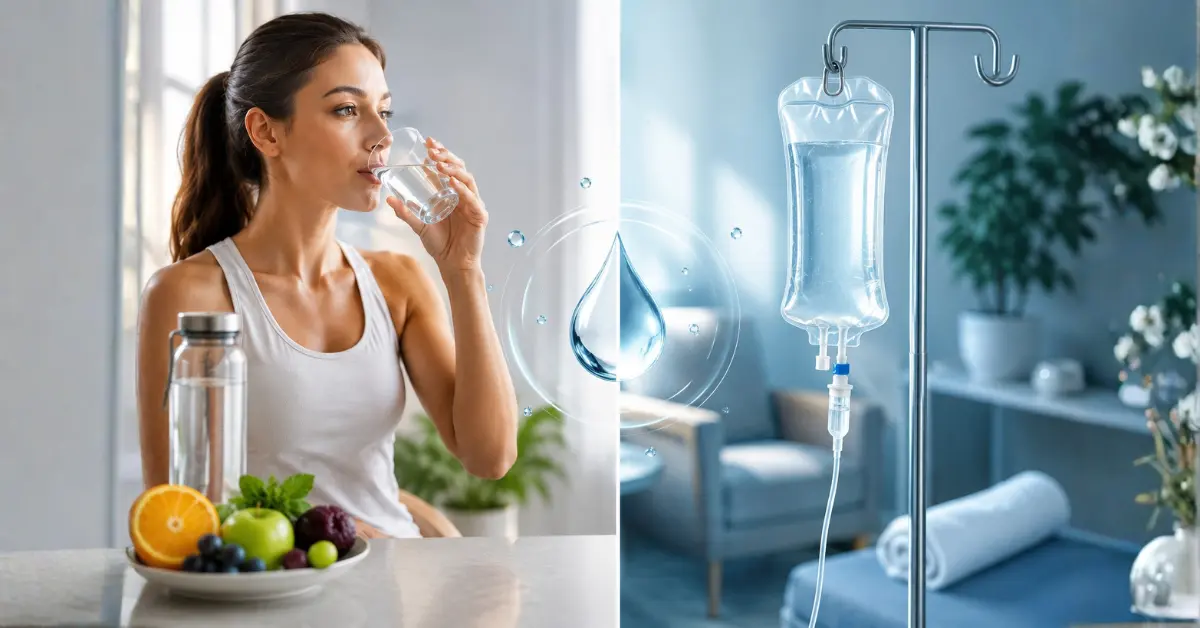
Staying hydrated is one of the simplest yet most important ways to support your overall health. Water plays a vital role in maintaining body temperature, transporting nutrients, supporting organ function, and keeping your body operating efficiently. While drinking enough water remains the foundation of healthy hydration, IV hydration therapy has become an increasingly popular wellness service, especially among busy professionals, travelers, athletes, and individuals recovering from dehydration.
But how does IV hydration compare to simply drinking water? Is one better than the other? The answer depends on your individual needs, health status, and the reason you’re seeking hydration.
In this guide, we’ll explore the key differences between IV hydration and drinking water, how each works, and when each option may be appropriate.
Understanding Hydration
The human body is made up of approximately 60% water. Every system in the body relies on adequate hydration to function properly. Water helps:
- Regulate body temperature
- Transport oxygen and nutrients
- Support digestion
- Lubricate joints
- Remove waste products
- Maintain healthy skin
- Support normal brain function
Even mild dehydration can leave you feeling thirsty, tired, or less able to concentrate. In hot climates like Dubai, maintaining proper hydration is especially important due to increased fluid loss through perspiration.
How Drinking Water Hydrates the Body
When you drink water, it travels through your digestive system before being absorbed into the bloodstream through the intestines. From there, it circulates throughout the body, helping replenish fluids and maintain normal physiological functions.
For most healthy individuals, drinking water throughout the day is the best and most effective way to stay hydrated. It’s affordable, accessible, and supports long-term health when combined with a balanced diet.
Experts generally recommend drinking fluids consistently throughout the day rather than waiting until you feel thirsty, as thirst can already indicate the early stages of dehydration.
How IV Hydration Works
IV hydration therapy delivers sterile fluids directly into the bloodstream through an intravenous line administered by a qualified healthcare professional. Depending on the assessment and the service provided, IV fluids may also contain electrolytes or vitamins when clinically appropriate.
Because the fluids bypass the digestive system, they enter the circulation directly. This approach is commonly used in hospitals for patients who cannot drink enough fluids or require rapid fluid replacement. In wellness settings, IV hydration may also be offered to individuals after an appropriate medical evaluation.
The Biggest Difference Between IV Hydration and Drinking Water
The primary distinction lies in how fluids enter the body.
With drinking water, absorption occurs gradually through the digestive system. This process works well for most people and is sufficient for maintaining everyday hydration.
With IV hydration, fluids are delivered directly into the bloodstream, eliminating the need for digestion. This allows healthcare providers to administer fluids when oral hydration may not be practical or sufficient.
Neither method is universally “better.” Instead, they serve different purposes depending on the individual’s condition and medical assessment.
Speed of Hydration
One of the most commonly discussed differences is the speed of fluid delivery.
When you drink water, your body absorbs it over time through the digestive tract. Factors such as stomach contents, digestion, and overall health can influence how quickly this occurs.
IV hydration provides fluids directly into the bloodstream, making it an option in situations where rapid fluid replacement is clinically indicated, such as significant dehydration under medical supervision.
For routine daily hydration, however, drinking water remains the recommended approach for most healthy adults.
Nutrient Delivery
Drinking water primarily provides hydration. Nutrients such as vitamins and minerals are typically obtained through a balanced diet or oral supplements.
Some IV hydration therapies may include vitamins or electrolytes as part of the formulation when appropriate. Since these nutrients are administered intravenously, they bypass the digestive system.
However, it’s important to understand that IV vitamin therapy is not a substitute for healthy eating. A nutritious diet remains the primary source of essential nutrients for most people.
Convenience and Accessibility
Water is available almost everywhere. Whether you’re at home, at work, or exercising outdoors, staying hydrated requires regular fluid intake.
IV hydration, on the other hand, requires administration by licensed healthcare professionals using sterile medical equipment. Appointments may be available in clinics, at home, or in hotel settings, depending on local healthcare regulations.
While IV hydration offers convenience for certain individuals, it should never replace healthy daily hydration habits.
When Drinking Water Is Usually Enough
For most people, drinking water is all that’s needed to maintain healthy hydration.
You can support proper hydration by:
- Carrying a reusable water bottle
- Drinking fluids regularly throughout the day
- Increasing water intake during hot weather
- Eating water-rich fruits and vegetables
- Replacing fluids lost during exercise
Maintaining these habits is often the most effective strategy for long-term hydration.
When IV Hydration May Be Considered
IV hydration may be appropriate in certain circumstances following an assessment by a qualified healthcare professional. Examples may include:
- Dehydration when oral fluids are not sufficient
- Recovery after prolonged heat exposure
- Situations involving excessive fluid loss
- Individuals who have difficulty maintaining hydration orally
- Certain medical situations where intravenous fluids are clinically indicated
The decision to receive IV hydration should always be based on an individual assessment rather than trends or social media recommendations.
Safety Considerations
If you’re considering IV hydration, choose a licensed healthcare provider that follows established medical standards. Before treatment, you should expect:
- A health assessment
- Review of your medical history
- Discussion of medications or allergies
- Sterile equipment and infection-control procedures
- Administration by trained healthcare professionals
People with certain medical conditions may require additional evaluation before receiving IV therapy.
Which Option Is Right for You?
The right choice depends on your individual circumstances.
If your goal is everyday wellness and maintaining hydration, drinking water should remain your first choice. Consistent hydration, a nutritious diet, and a healthy lifestyle form the foundation of overall well-being.
IV hydration may be considered in situations where rapid fluid replacement or individualized hydration support is appropriate. Still, it should be provided only after an assessment by a qualified healthcare professional.
Final Thoughts
Hydration is essential for supporting nearly every function in the body, and there is no substitute for making water a regular part of your daily routine. While IV hydration offers an alternative method of delivering fluids directly into the bloodstream, it serves a different purpose than simply drinking water.
Rather than viewing IV hydration and drinking water as competing options, it’s more accurate to see them as complementary approaches used in different situations. For most people, consistent daily water intake is the cornerstone of good health. When additional hydration support is needed, a qualified healthcare provider can help determine whether IV hydration is an appropriate option based on individual health needs.
By understanding the differences between these two methods, you can make informed decisions that support your hydration goals while prioritizing safety and long-term wellness.
Author
-

Aachal Singh is a DHA-licensed registered nurse in Dubai, currently working with JPR Home Health Care. She brings precision and expertise in blood testing, laboratory procedures, and immunity-focused care, alongside her dedication to patient well-being at home.
She earned her nursing degree from Birat Health College and Research Centre, Biratnagar, Nepal (2023), and has been part of JPR Home Health Care since March 2025. In her role, Aachal conducts a wide range of diagnostic and preventive services, with a strong emphasis on accurate lab testing, early detection, and immune health support.
Her key areas of specialization include:
- Blood sample collection and lab test coordination
- Immunity-boosting therapies and preventive health care
- Post-operative care and recovery monitoring
- Chronic condition management with lab-based tracking
- General patient support at home
By combining technical expertise in diagnostics with compassionate care, Aachal ensures patients receive reliable, safe, and evidence-based services. She consistently follows DHA protocols and international nursing standards, keeping her practice aligned with the latest healthcare guidelines.
DHA License: 06652122-001
🔗 View DHA Profile
