

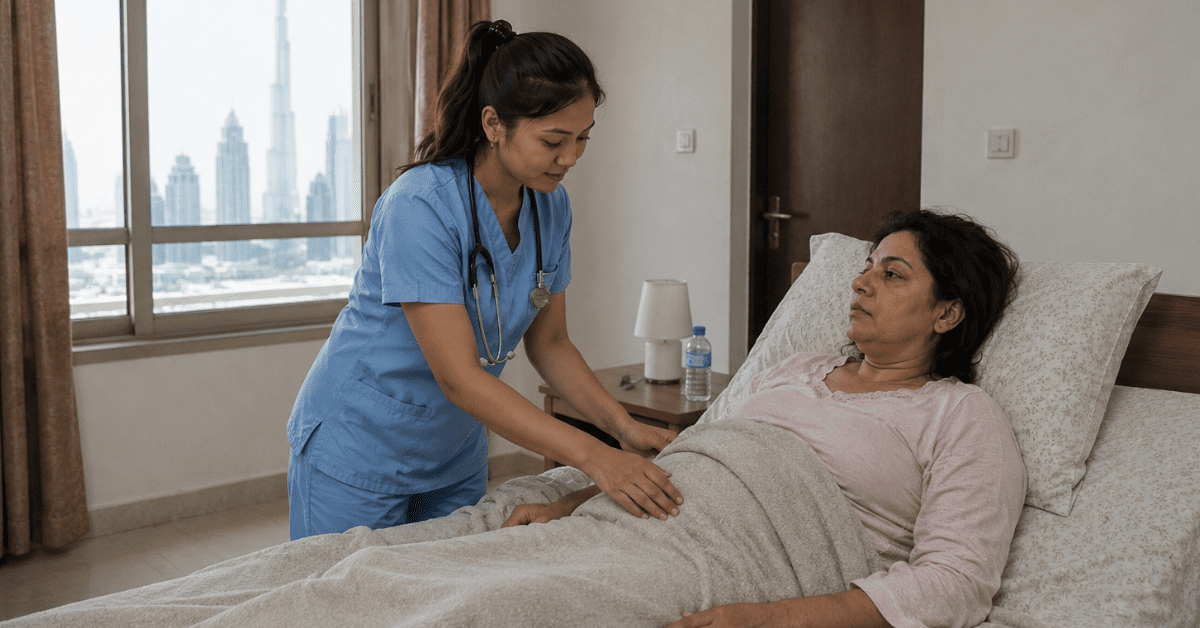
When families arrange nursing care at home, they are often focused on the immediate concern, perhaps a surgical wound, reduced mobility after hospitalization, diabetes management, or support for an elderly parent. But one of the most important parts of home nursing frequently begins before any dressing is changed or treatment starts: a careful, structured skin assessment.
From the perspective of a home nursing provider, the first visit is not simply about delivering care. It is about understanding the patient’s condition completely, identifying existing risks, and creating a safe starting point for ongoing recovery.
Wound care is often misunderstood as something that starts once a visible wound appears. In practice, good wound care begins with prevention, early identification, and accurate observation.
Why the Initial Skin Assessment Matters So Much
The first skin assessment is one of the most valuable clinical assessments performed during home nursing visits.
When a patient transitions from hospital to home, or begins receiving nursing support at home for the first time, the nurse establishes a baseline picture of the patient’s skin condition. This helps answer several important questions:
- Are there any existing wounds?
- Are there early signs of pressure damage?
- Is the skin fragile or vulnerable to breakdown?
- Are there areas affected by moisture, friction, or poor circulation?
- Are there wounds that require specialist review?
Without this baseline, it becomes difficult to determine whether a wound developed before care started or appeared later due to changes in health, mobility, or environment.
Documentation during the first assessment also allows future visits to track progress objectively rather than relying on memory or assumptions.
What a Home Nurse Looks for During a Skin Assessment
A complete skin assessment is not limited to areas that hurt or look visibly injured.
Home nurses generally perform a head-to-toe review of skin integrity whenever clinically appropriate. This process includes observing:
- Skin color changes
- Areas of redness
- Swelling
- Temperature differences
- Moisture levels
- Dryness or cracking
- Bruising
- Existing wounds
- Signs of infection
- Areas exposed to pressure
The assessment is especially important for patients who:
- Spend long periods in bed
- Use wheelchairs
- Have reduced mobility
- Live with diabetes
- Experience urinary or bowel incontinence
- Recover after surgery
- Receive palliative care
- Have advanced age and fragile skin
Even younger adults may require full assessment depending on their medical situation. Skin damage is not limited to older adults.
Understanding Pressure Injuries: More Than “Bed Sores”
One of the most common concerns in home nursing is pressure injury prevention.
Pressure injuries occur when prolonged pressure reduces blood flow to the skin and underlying tissues. Historically these were called pressure ulcers, but the broader term “pressure injury” reflects that damage can exist before an open wound appears.
Pressure injuries usually develop over bony areas because there is less cushioning between skin and bone.
Common areas include:
- Back of the head
- Shoulder blades
- Elbows
- Sacrum and tailbone
- Hips
- Heels
- Ankles
During home visits, nurses pay close attention to these areas, especially in patients who spend extended periods sitting or lying down.
Early signs may include:
- Persistent redness
- Skin that feels warmer or cooler than surrounding tissue
- Tenderness
- Changes in texture
- Discoloration
Identifying these signs early may prevent progression into deeper tissue injury.
Looking Beyond Pressure: Other Causes of Skin Damage
Not every wound develops from pressure.
One of the most common findings in home care is moisture-associated skin damage.
Patients experiencing incontinence may develop redness, irritation, or skin breakdown because prolonged moisture weakens the skin barrier. The affected areas are commonly around:
- Buttocks
- Groin
- Skin folds
- Inner thighs
This type of damage can sometimes resemble pressure injury but requires different prevention and treatment strategies.
Home nurses also assess for:
Diabetic Foot Concerns
People living with diabetes may develop wounds due to reduced sensation, circulation changes, and delayed healing.
A complete assessment often includes:
- Inspecting between toes
- Checking the soles of the feet
- Looking for pressure points
- Assessing skin temperature
- Monitoring for calluses or unnoticed injuries
Many patients do not realize they have developed a wound until significant tissue damage has occurred.
Skin Tears
Skin tears occur frequently in elderly patients with fragile skin.
These injuries may result from:
- Minor bumps
- Transfers from bed to chair
- Adhesive removal
- Accidental friction
Although they may appear small initially, proper care is important to support healing and reduce complications.
Why Two Sets of Eyes Can Be Helpful
In clinical environments, wound assessments are often strengthened by collaborative review.
At home, nurses may involve:
- Another visiting clinician
- A wound care specialist
- Family caregivers
- Treating physicians when needed
Photographic documentation, when appropriate and consented to, and structured notes can help track healing over time.
Wounds are not always straightforward to identify.
For example:
- A wound near the heel could be pressure-related.
- A wound under the foot may suggest diabetic involvement.
- Redness in skin folds may point toward moisture damage.
Clinical interpretation improves with experience, but reassessment remains part of safe practice.
Documentation Is More Than Paperwork
Families sometimes wonder why nurses spend time measuring wounds, taking notes, or recording details before beginning treatment.
Documentation serves several purposes:
- Establishes baseline condition
- Tracks healing progress
- Supports continuity between different clinicians
- Helps guide treatment decisions
- Identifies deterioration early
Good documentation usually includes:
- Location of the wound
- Size and depth
- Appearance of surrounding skin
- Drainage characteristics
- Pain level
- Changes since the previous visit
Accurate records make care more consistent and reduce the chance that subtle changes are missed.
When Specialist Wound Input May Be Needed
Not every wound can be fully assessed during an initial visit.
A home nurse may recommend additional evaluation if the wound:
- Has uncertain cause
- Is not improving
- Shows signs of infection
- Contains dead tissue
- Produces unusual drainage
- Requires advanced therapies
Specialized wound management may involve techniques beyond standard dressing changes.
One example is negative pressure wound therapy, often known as wound VAC therapy.
These systems use controlled suction to:
- Remove excess fluid
- Promote tissue healing
- Support wound closure
Patients and families sometimes find these devices intimidating initially, but education and monitoring often improve confidence in managing them at home.
What Families Can Do Between Nursing Visits
Professional assessment is important, but everyday observation also matters.
Families can help by:
- Looking for new redness or swelling
- Repositioning immobile patients regularly
- Keeping skin clean and dry
- Reporting changes promptly
- Checking footwear in diabetic patients
- Avoiding harsh rubbing during hygiene care
- Following dressing instructions carefully
Small changes noticed early are often easier to manage than advanced wounds.
Home wound care is not simply the act of placing a dressing over damaged skin. It begins with observation, careful assessment, and understanding why the skin changed in the first place.
A thorough first assessment creates the foundation for every decision that follows, whether the goal is preventing pressure injuries, managing chronic wounds, supporting post-operative healing, or helping an elderly family member remain comfortable at home.
For patients receiving nursing care at home, that initial evaluation is often where the most important wound care work actually begins.
Author
-

Shanta Chaudhary is a DHA-licensed registered nurse based in Dubai, currently delivering compassionate and professional home nursing services with JPR Home Health Care. She is dedicated to providing personalized care that supports patients’ recovery and wellbeing in the comfort of their own homes.
Originally from Nepal, Shanta graduated from Hamro School of Nursing in Biratnagar in 2019. Since joining JPR Home Health Care in June 2025, she has been actively involved in a variety of home care services including medication management, wound care, vital signs monitoring, and assisting with daily living activities.
Her attentive and patient-centered approach helps ease the challenges faced by patients recovering from surgery, managing chronic conditions, or requiring ongoing nursing support. Shanta ensures each care plan is followed meticulously, prioritizing safety, hygiene, and comfort in every visit.
By adhering to DHA guidelines and best practices, Shanta consistently provides reliable, high-quality nursing care that promotes healing and independence at home.
DHA License
License Number: 07586284-001
DHA Profile: https://services.dha.gov.ae/sheryan/wps/portal/home/medical-directory/professional-details?dhaUniqueId=07586284
