

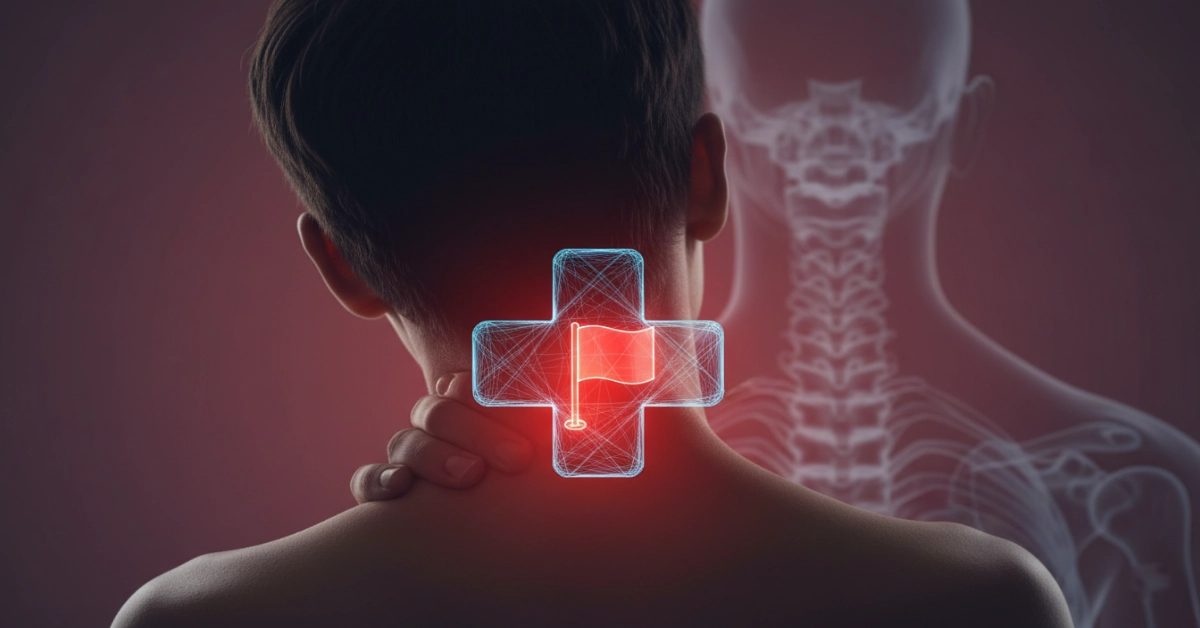
Red Flags: When Neck Pain Isn’t Just Age-Related
Neck pain is common as we grow older. Age-related changes in the spine, such as cervical spondylosis, often cause stiffness, reduced mobility, or mild discomfort. In many cases, these symptoms can be managed with posture correction, gentle exercises, and lifestyle adjustments.
However, not all neck pain should be dismissed as a normal part of aging. Certain warning signs may indicate nerve compression, spinal cord involvement, or other serious conditions that require prompt medical attention.
Understanding these red flags can help older adults and caregivers act early and prevent long-term complications.
Why Neck Pain Increases With Age
As we age, the cervical spine undergoes natural wear and tear. Common changes include:
Degeneration of intervertebral discs
Formation of bone spurs
Reduced flexibility of neck joints
Weakening of supporting muscles
These changes often lead to chronic stiffness or intermittent pain. While uncomfortable, they are usually not dangerous. The concern arises when neck pain is accompanied by specific symptoms that suggest something more serious.
Red Flags That Should Never Be Ignored
1. Pain Radiating to the Arm or Hand
Neck pain that travels down the shoulder, arm, or into the fingers may indicate nerve compression. This is often seen in cervical spondylosis with nerve root involvement and requires evaluation.
2. Numbness, Tingling, or Weakness
Loss of sensation, pins-and-needles feelings, or weakness in the arms or hands are warning signs of nerve or spinal cord involvement. These symptoms should never be considered normal aging.
3. Difficulty With Balance or Walking
If neck pain is accompanied by unsteadiness, frequent falls, or difficulty walking, it may suggest cervical myelopathy. This condition involves spinal cord compression and needs urgent medical assessment.
4. Loss of Hand Coordination
Struggling with buttons, writing, or holding objects may indicate impaired nerve signals from the spinal cord. This is a serious red flag in older adults.
5. Persistent or Worsening Pain
Neck pain that does not improve with rest, medication, or physical therapy, or pain that steadily worsens over weeks, should be investigated further.
6. Pain With Fever or Unexplained Weight Loss
Neck pain accompanied by fever, night sweats, or sudden weight loss may signal infection, inflammation, or other systemic conditions. These symptoms require immediate medical attention.
7. Pain After a Fall or Minor Injury
In older adults, even a minor fall can cause fractures or spinal instability. Neck pain following any trauma should always be evaluated, especially in individuals with osteoporosis.
8. Severe Headaches or Vision Changes
Neck pain combined with severe headaches, dizziness, blurred vision, or difficulty speaking may indicate neurological involvement and should be treated as an emergency.
When to Seek Medical Help
You should seek medical care if neck pain:
Interferes with daily activities or sleep
Is associated with neurological symptoms
Persists beyond a few weeks despite treatment
Appears suddenly and severely without a clear cause
Early diagnosis can prevent permanent nerve damage and improve long-term outcomes.
Role of Home Care and Monitoring
For older adults, regular monitoring plays a key role in early detection of complications. Home healthcare professionals can help by:
Observing changes in mobility or strength
Identifying early neurological symptoms
Supporting safe posture and movement
Assisting with prescribed exercises and pain management
Reducing fall risk through home safety measures
Timely reporting of new or worsening symptoms can make a significant difference in outcomes.
While mild neck pain and stiffness can be a normal part of aging, certain symptoms are not. Pain that spreads, causes weakness, affects balance, or worsens over time should never be ignored.
Listening to your body and acting early can help protect mobility, independence, and quality of life in older age.
Authors
-

Dr. Anum Mangi is a DHA-licensed physiotherapist in Dubai with over four years of clinical experience treating patients of all age groups.
She holds a degree from Baqai Medical University and has previously worked at Dr. AK Health Care Medical Center (UAE) and Dr Essa Laboratory and Diagnostic Centre (Pakistan). Her clinical experience spans outpatient care, physical rehabilitation, and injury recovery.
Dr. Anum specializes in creating evidence-based, personalized physiotherapy plans focused on restoring mobility, reducing pain, and preventing recurrence. Her holistic approach combines manual therapy, therapeutic exercises, and patient education — always tailored to individual patient needs.
She remains actively updated with DHA protocols and international standards for physiotherapy, ensuring each patient receives informed, patient-centered care.
DHA License
License Number: 41678355-002
DHA Profile: https://services.dha.gov.ae/sheryan/wps/portal/home/medical-directory/professional-details?dhaUniqueId=41678355 -

Sony Thapa is a DHA-licensed registered nurse in Dubai, currently serving as a dedicated home care nurse with JPR Home Health Care. She specializes in elderly care, offering compassionate, respectful, and patient-centered nursing support to seniors in the comfort of their homes.
Originally from Nepal, Sony completed her Diploma in Nursing in Kathmandu in 2016. With nearly a decade of hands-on experience and a strong grounding in geriatric care, she joined JPR Home Health Care in March 2025 and quickly became a trusted presence among families seeking dependable care for aging loved ones.
Sony’s expertise includes assisting with daily living activities, chronic disease monitoring, post-hospital rehabilitation, medication management, and fall prevention. Her calm demeanor and gentle communication style make her especially effective with seniors who may be coping with dementia, mobility challenges, or emotional vulnerability.
She follows strict DHA guidelines while bringing a deeply human touch to every patient interaction, always ensuring safety, hygiene, and dignity come first. For families navigating the complexities of elderly care at home, Sony provides both peace of mind and professional excellence.
DHA License
License Number: 98504622-001
DHA Profile: https://services.dha.gov.ae/sheryan/wps/portal/home/medical-directory/professional-details?dhaUniqueId=98504622
