Bringing a newborn home after delivery is an important milestone for every family. While parents may feel excited to begin life together at home, caring for a newborn can also bring many questions and concerns. This can be especially challenging when the baby is born prematurely and requires additional attention after discharge from the hospital or neonatal intensive care unit.
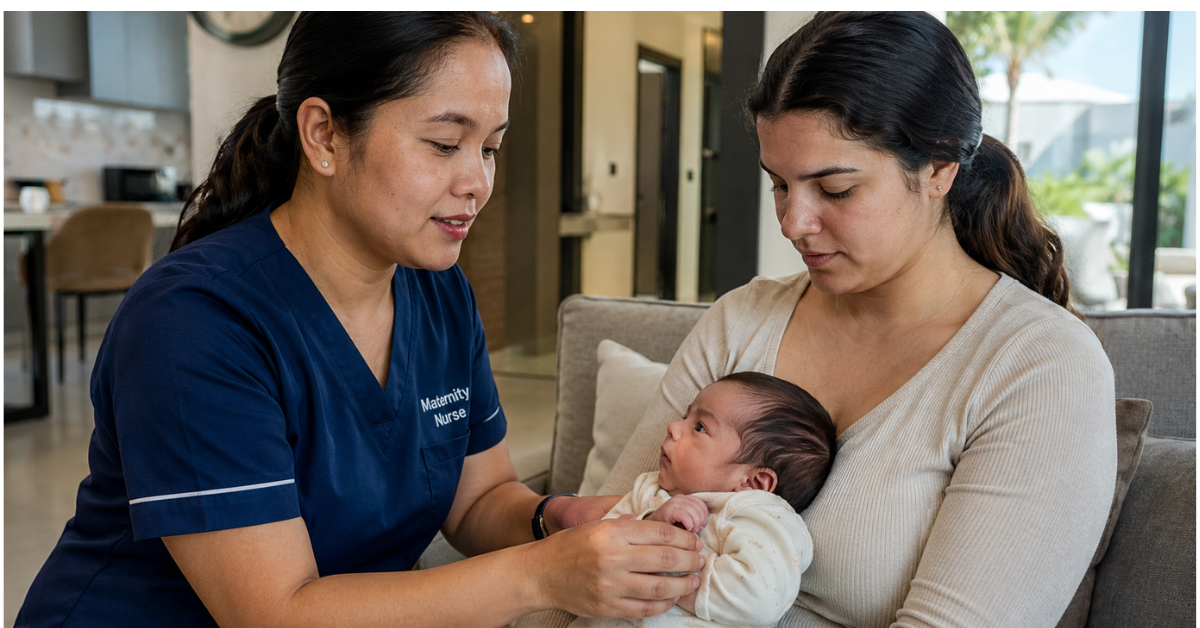
Maternity nursing for newborn baby care at home can provide valuable professional support during this transition. A trained maternity nurse can assist parents with feeding, hygiene, sleep routines, temperature management, and general newborn care. For premature babies, this support can be particularly important because their body systems may not yet be fully developed.
Understanding Premature Babies
A premature or preterm baby is one who is born before 37 weeks of gestation. Premature infants can have immature respiratory systems and may be more vulnerable to complications such as respiratory distress, bronchopulmonary dysplasia, anemia, hypoglycemia, hyperbilirubinemia, and necrotizing enterocolitis.
Premature babies may also have difficulty maintaining their body temperature because they have less body fat and immature temperature regulation.
After spending time in the hospital or NICU, parents may feel nervous about managing their baby’s care independently. A maternity nurse can provide practical assistance at home while helping parents become more confident with their baby’s daily routine.
Why Premature Babies May Need Additional Care at Home
Premature babies may need more careful observation than healthy full-term newborns. Their feeding abilities, temperature regulation, respiratory function, and tolerance to stimulation can require additional attention.
The transition from a highly monitored hospital environment to the home can therefore be significant for both the baby and the parents. A structured home-care routine can help parents follow the baby’s discharge plan and maintain consistency in daily care.
Maternity nursing support can be especially useful during the early period following discharge, when parents are learning how to respond to their premature baby’s individual needs.
Temperature Management for Premature Babies
Maintaining an appropriate body temperature is an important aspect of caring for a premature newborn. Babies generally have limited ability to regulate their body temperature, and premature infants can have an even greater difficulty because they have less body fat.
At home, a maternity nurse can help parents create a comfortable environment and follow the temperature-management instructions provided by the baby’s healthcare team. The baby’s temperature can be monitored when required, and parents can be guided on appropriate clothing and environmental conditions.
Any significant temperature abnormality should be discussed promptly with the baby’s pediatrician or neonatal team.
Feeding Support for Premature Newborns
Feeding is another important area of premature baby care. Some premature infants may have difficulty breastfeeding because of their developmental maturity. In some cases, babies may require alternative feeding methods under medical supervision. The source material describes enteral feeding through a feeding tube and parenteral nutrition as possible methods of providing nutrition to premature infants who cannot breastfeed adequately.
Once a premature baby is home, a maternity nurse can assist parents in following the prescribed feeding schedule and observing feeding patterns. Monitoring intake and output can also be important, particularly for babies who require closer nutritional observation.
The maternity nurse should follow the baby’s medical and feeding plan rather than independently changing feeding volumes, schedules, or methods.
Supporting Respiratory Care
Respiratory development is a major concern for some premature infants. Because their lungs may not be fully developed, they can experience respiratory difficulties. Respiratory distress syndrome and bronchopulmonary dysplasia are among the complications associated with prematurity.
Some babies may require respiratory support during their hospital stay and may continue to have specific respiratory-care requirements after discharge.
If a baby is sent home with prescribed oxygen or other respiratory support, parents should follow the instructions provided by the neonatal or pediatric team. A trained home nurse can assist with routine observation and care within the prescribed care plan.
Any signs of breathing difficulty require prompt medical attention.
Creating a Calm Environment
Premature babies can be sensitive to excessive stimulation. The source material explains that clustering care and minimizing stimulation can be important for premature infants because they can have difficulty coping with a bright, loud, and highly stimulating environment.
A maternity nurse can help create a calm home environment by organizing routine activities such as feeding, diaper changes, hygiene, and other necessary care. Instead of repeatedly disturbing the baby throughout the day, appropriate care activities can be coordinated according to the baby’s needs and medical plan.
Keeping the environment quiet and allowing adequate periods of rest can help establish a more comfortable routine for the newborn.
Safe Sleep for Premature Babies
Sleep safety is an essential part of newborn care. The source material highlights the ABCs of safe sleep when the baby is at home: alone, on the back, and in a crib.
Premature infants may have different positioning requirements while receiving intensive care in a NICU because they are continuously monitored. However, those hospital practices should not automatically be transferred to the home environment.
Parents should follow the baby’s discharge instructions and pediatrician’s recommendations regarding sleep positioning and safety.
A maternity nurse can reinforce safe sleep practices and help parents establish an appropriate sleep routine.
Monitoring the Premature Baby at Home
After NICU discharge, parents may be concerned about whether their baby is progressing normally. Professional maternity nursing can provide support with routine observation and documentation.
Depending on the baby’s individual care plan, parents and nurses may monitor feeding, diaper patterns, sleep, temperature, weight, and general behavior. Close observation can help identify changes that should be communicated to the baby’s healthcare team.
A maternity nurse does not replace the pediatrician or neonatal specialist. Instead, the nurse provides day-to-day support and helps the family follow the professional recommendations provided for the baby.
Hygiene and Routine Newborn Care
Premature babies can require careful attention to everyday hygiene. Routine activities such as diaper changes, bathing, clothing changes, cord care, and maintaining a clean environment should be performed appropriately.
A maternity nurse can demonstrate safe newborn-care techniques to parents and assist with routine activities while encouraging parents to participate.
Good hygiene practices can also help families maintain a clean and organized environment for the newborn.
When Maternity Nursing Support Can Be Helpful
Maternity nursing at home may be particularly valuable when a premature baby:
- Has recently been discharged from the NICU
- Has difficulty establishing feeding
- Requires a structured feeding routine
- Needs additional observation of temperature
- Has a history of respiratory complications
- Has prescribed respiratory support at home
- Becomes easily overstimulated
- Requires closer monitoring during the transition from hospital to home
- Has parents who need additional guidance with newborn care
The level of support should always be based on the baby’s individual needs and discharge plan.
Supporting Parents During the Transition Home
Caring for a premature baby can be emotionally and physically demanding for parents. They may worry about feeding, sleep, breathing, weight gain, and whether they are responding correctly to their baby’s needs.
A maternity nurse can provide practical education and reassurance while helping parents develop confidence in everyday newborn care. Parents can gradually become more comfortable with feeding routines, hygiene, sleep practices, and recognizing changes in their baby’s behavior.
The purpose of professional home nursing is to support the family, not to take the place of the parents.
When to Seek Medical Attention
Parents of premature babies should understand the warning signs that require professional medical assessment. Breathing difficulties, significant changes in feeding, unusual sleepiness, abnormal temperature, changes in skin color, or other concerning symptoms should not be managed solely through routine home care.
Parents should follow the emergency and follow-up instructions provided by their baby’s pediatrician or neonatal team.
The first weeks at home can be an important adjustment period for both newborns and parents. For premature babies, the transition can require additional care because of their immature respiratory systems, limited temperature regulation, feeding challenges, and sensitivity to stimulation.
Maternity nursing for newborn baby care at home can provide valuable professional support during this period. From feeding assistance and temperature management to safe sleep, hygiene, respiratory observation, and establishing a calm routine, a trained maternity nurse can help families manage daily care with greater confidence.
For families bringing a premature baby home after a hospital or NICU stay, professional maternity nursing can provide an additional layer of support while parents continue working closely with their pediatrician and neonatal care team. With appropriate medical guidance, careful observation, and a supportive home environment, families can make the transition from hospital to home more organized and comfortable for their newborn.