

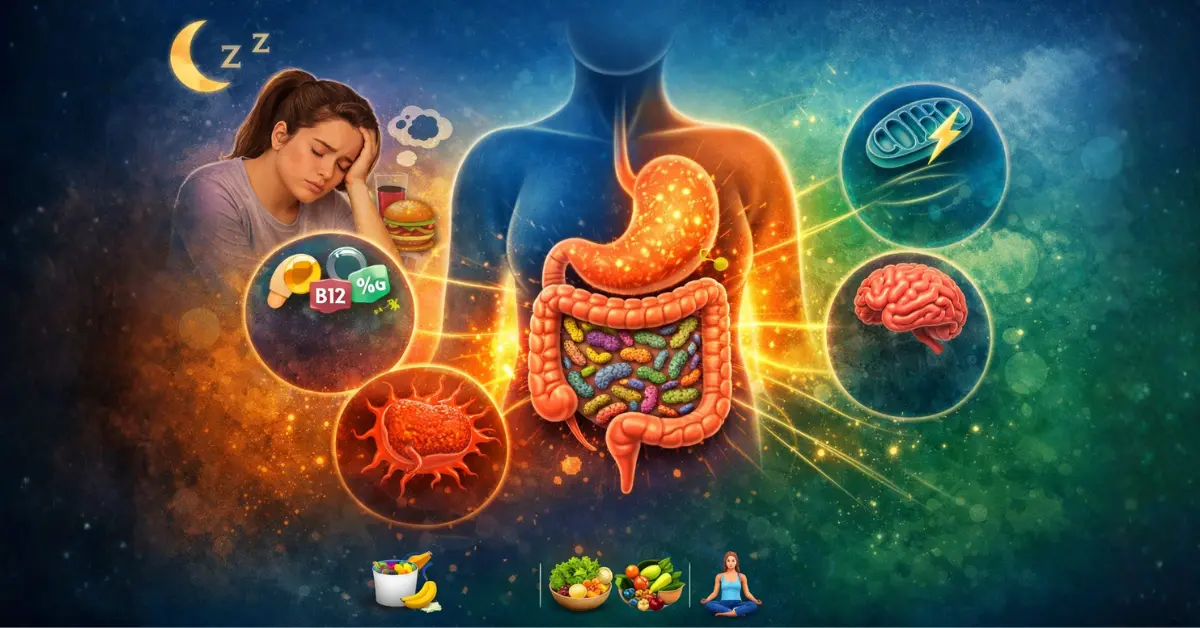
Most people blame low energy on lack of sleep, Stress, or a busy lifestyle. While those factors do play a role, there’s another powerful contributor that often gets overlooked: your gut.
In recent years, research has shown that the gut is far more than just a digestive organ. It’s a complex ecosystem that directly influences how energetic or exhausted you feel daily. If you constantly feel tired despite eating well and getting enough rest, your gut microbiome might be the missing piece.
What Is the Gut Microbiome?
The gut microbiome refers to the trillions of microorganisms living in your digestive system. These include bacteria, fungi, and other microbes that work together to support essential bodily functions.
A healthy gut microbiome helps:
- Break down food efficiently
- Produce important nutrients
- Support immune function
- Regulate inflammation
But when this balance is disrupted, it can quietly impact your energy levels in ways most people don’t realize.
The Hidden Link Between Gut Health and Energy
Energy isn’t just about calories; it’s about how well your body processes and uses those calories. This is where the gut microbiome plays a critical role.
1. Nutrient Absorption
Even if you’re eating a balanced diet, your body may not be absorbing nutrients effectively. Your gut bacteria help break down food into usable vitamins and minerals, such as:
- Vitamin B12
- Iron
- Magnesium
These nutrients are essential for energy production. When your gut isn’t functioning properly, your body may struggle to access them, leading to fatigue.
2. Energy Production at the Cellular Level
Certain gut bacteria help produce short-chain fatty acids, which are used by your body as an energy source. A healthy microbiome supports efficient energy metabolism, while an imbalanced one can slow this process down.
In simple terms, your gut helps determine how efficiently your body turns food into fuel.
3. Inflammation and Fatigue
An unhealthy gut can lead to chronic low-grade inflammation. This type of inflammation doesn’t always cause obvious symptoms, but it can drain your energy over time.
People with poor gut health often report:
- Constant tiredness
- Brain fog
- Lack of motivation
This isn’t just in their head; it’s often linked to what’s happening in the gut.
4. The Gut-Brain Connection
Your gut and brain are closely connected through what’s known as the gut-brain axis. This connection influences mood, focus, and energy levels.
Interestingly, your gut produces a significant portion of neurotransmitters, such as serotonin, which affects mood and overall well-being. When your gut is imbalanced, it can lead to:
- Low mood
- Mental fatigue
- Reduced motivation
This creates a cycle where both physical and mental energy are affected.
Signs Your Gut May Be Affecting Your Energy
Many people don’t associate digestive health with fatigue, but there are clear warning signs:
- Frequent bloating or gas
- Feeling tired after meals
- Sugar cravings
- Irregular bowel movements
- Brain fog or difficulty concentrating
If you regularly experience several of these symptoms, your gut health may be contributing to your low energy levels.
Common Causes of Poor Gut Health
Understanding what disrupts your gut microbiome is key to improving it. Some of the most common causes include:
1. Poor Diet
High intake of processed foods, sugar, and unhealthy fats can reduce beneficial bacteria and promote harmful ones.
2. Chronic Stress
Stress directly impacts digestion and can alter the balance of gut bacteria.
3. Lack of Hydration
Dehydration affects digestion and slows down metabolic processes, leading to fatigue.
4. Overuse of Antibiotics
While sometimes necessary, antibiotics can wipe out both good and bad bacteria, disrupting the gut ecosystem.
How to Support Your Gut for Better Energy?
Improving gut health doesn’t require extreme changes. Small, consistent habits can make a noticeable difference in your energy levels.
1. Focus on Whole Foods
Eat a diet rich in:
- Vegetables
- Fruits
- Whole grains
- Healthy fats
These provide fiber, which feeds beneficial gut bacteria.
2. Stay Hydrated
Proper hydration supports digestion and helps your body absorb nutrients more efficiently.
3. Include Probiotic and Prebiotic Foods
Foods like yogurt, kefir, and fermented vegetables introduce good bacteria, while fiber-rich foods act as fuel for them.
4. Manage Stress
Simple practices like walking, deep breathing, or reducing screen time can help regulate your gut-brain connection.
5. Prioritize Sleep
Poor sleep disrupts gut bacteria balance, which can further affect energy levels.
IV Therapy for Gut Health Support
When gut health is compromised, nutrient absorption can become less efficient. IV therapy can help by delivering vitamins and minerals directly into the bloodstream, bypassing the digestive system. This supports hydration, restores nutrient levels, and can temporarily boost energy. Many people in Dubai are now exploring Gut Health support IV therapy in Dubai to address fatigue or deficiencies, and services like IV Drip at home in Dubai make it convenient to receive professional care without visiting a clinic. While IV therapy doesn’t repair the gut lining, it ensures your body gets essential nutrients while you work on improving gut health through diet, lifestyle, and medical guidance.
The Bottom Line
Your gut microbiome plays a much bigger role in your energy levels than most people realize. It influences how your body absorbs nutrients, produces energy, and manages inflammation.
If you’re constantly feeling tired despite doing “everything right,” it may be time to look beyond sleep and diet alone and start paying attention to your gut.
Improving gut health isn’t about quick fixes. It’s about building consistent habits that support your body from the inside out. When your gut is balanced, your energy naturally follows.
By understanding and supporting your gut microbiome, you’re not just improving digestion; you’re unlocking a more sustainable, natural energy source for your daily life.
Author
-

Aachal Singh is a DHA-licensed registered nurse in Dubai, currently working with JPR Home Health Care. She brings precision and expertise in blood testing, laboratory procedures, and immunity-focused care, alongside her dedication to patient well-being at home.
She earned her nursing degree from Birat Health College and Research Centre, Biratnagar, Nepal (2023), and has been part of JPR Home Health Care since March 2025. In her role, Aachal conducts a wide range of diagnostic and preventive services, with a strong emphasis on accurate lab testing, early detection, and immune health support.
Her key areas of specialization include:
- Blood sample collection and lab test coordination
- Immunity-boosting therapies and preventive health care
- Post-operative care and recovery monitoring
- Chronic condition management with lab-based tracking
- General patient support at home
By combining technical expertise in diagnostics with compassionate care, Aachal ensures patients receive reliable, safe, and evidence-based services. She consistently follows DHA protocols and international nursing standards, keeping her practice aligned with the latest healthcare guidelines.
DHA License: 06652122-001
🔗 View DHA Profile
